How to Start Keto When You Work Full Time and Have Kids
Starting keto is not only a food decision when you work full time and have children. It affects the grocery trip, the 5:30 p.m. rush, sports practices, lunchbox leftovers, and what happens when one child refuses anything green.
A useful keto family dinner plan for working parents must solve those practical problems. Your first week should not depend on specialty flour, two hours of Sunday cooking, or separate meals for every person at the table. Here is how to choose five manageable dinners, shop once, prepare the ingredients that matter, and give non-keto children familiar sides without turning dinner into a second job.
The three decisions to make before starting
Make three decisions before you choose a recipe.
First, decide which meals will be keto. If dinner is the hardest part of your day, begin there. You do not need to redesign breakfast, lunch, snacks, and family dinner on the same Monday.
Second, set your weeknight cooking limit. For most working households, 30 minutes is realistic. Count chopping, cooking, and assembling. A recipe that says 25 minutes but requires cooked chicken and washed cauliflower is not a 25-minute dinner unless those jobs are already done.
Third, choose your approach to family sides. Adults following keto can eat garlic chicken thighs with roasted broccoli. Children can eat the same chicken and broccoli with microwave rice, bread, or fruit. This is one dinner with an add-on, not two separate meals.
How to choose dinners for the first workweek
Choose five dinners by cooking method, not by how impressive the recipe photo looks. A balanced first week might include one skillet meal, one sheet-pan dinner, one slow-cooker meal, one taco-style meal, and one flexible leftovers night.
For example, plan creamy spinach chicken on Monday, sheet-pan sausage with peppers on Tuesday, slow-cooker salsa pork on Wednesday, burger bowls on Thursday, and pork lettuce cups or quesadillas on Friday. The pork does two jobs, and Friday does not require another full recipe.
Avoid scheduling five unfamiliar meals. Include at least two dinners your family already accepts, then change the high-carb part. Turn cheeseburgers and fries into burger bowls with pickles, shredded lettuce, cheese, and burger sauce. Serve frozen fries to the children if needed. Turn taco night into seasoned beef over lettuce for adults, with tortillas available for children.
Check ingredient overlap before finalizing the list. Two meals can use shredded cheese. Peppers can appear on the sheet pan and in burger bowls. This reduces cost and keeps half-used produce from disappearing into the refrigerator drawer.
A realistic grocery and prep schedule
Shop once for the planned dinners, but do not buy seven nights of fresh ambition. Five planned dinners are usually enough. One night may become leftovers, a social event, or scrambled eggs after a late meeting.
Build the grocery list in the order you move through your usual store: produce, meat, dairy, frozen food, pantry items, and child add-ons. Check the refrigerator and freezer before ordering. Ketchup, mayonnaise, taco seasoning, and frozen broccoli are easy to buy twice.
Use Sunday prep for bottlenecks, not complete meals. Set a 45-minute timer. During that time, wash and cut the vegetables for the first three nights, mix one sauce, portion the meat, and shred cheese if you did not buy it pre-shredded. Label containers by day or recipe.
A useful sequence is:
- Put chicken thighs and sausage into separate labeled containers.
- Slice two peppers and one onion.
- Wash lettuce for taco bowls and burger bowls.
- Mix burger sauce from mayonnaise, mustard, and chopped pickles.
- Move Wednesday's pork from the freezer to the refrigerator on Tuesday morning.
Stop when the timer ends. Sunday should support the week, not become a six-hour cooking shift.
How to handle school nights, activities, and late arrivals
Match the easiest dinner to the hardest evening. If Tuesday includes swimming lessons and a 6:15 p.m. pickup, that is not the night for a new cauliflower-crust pizza. Use a slow-cooker meal, reheated meat, or a skillet dinner with bagged salad.
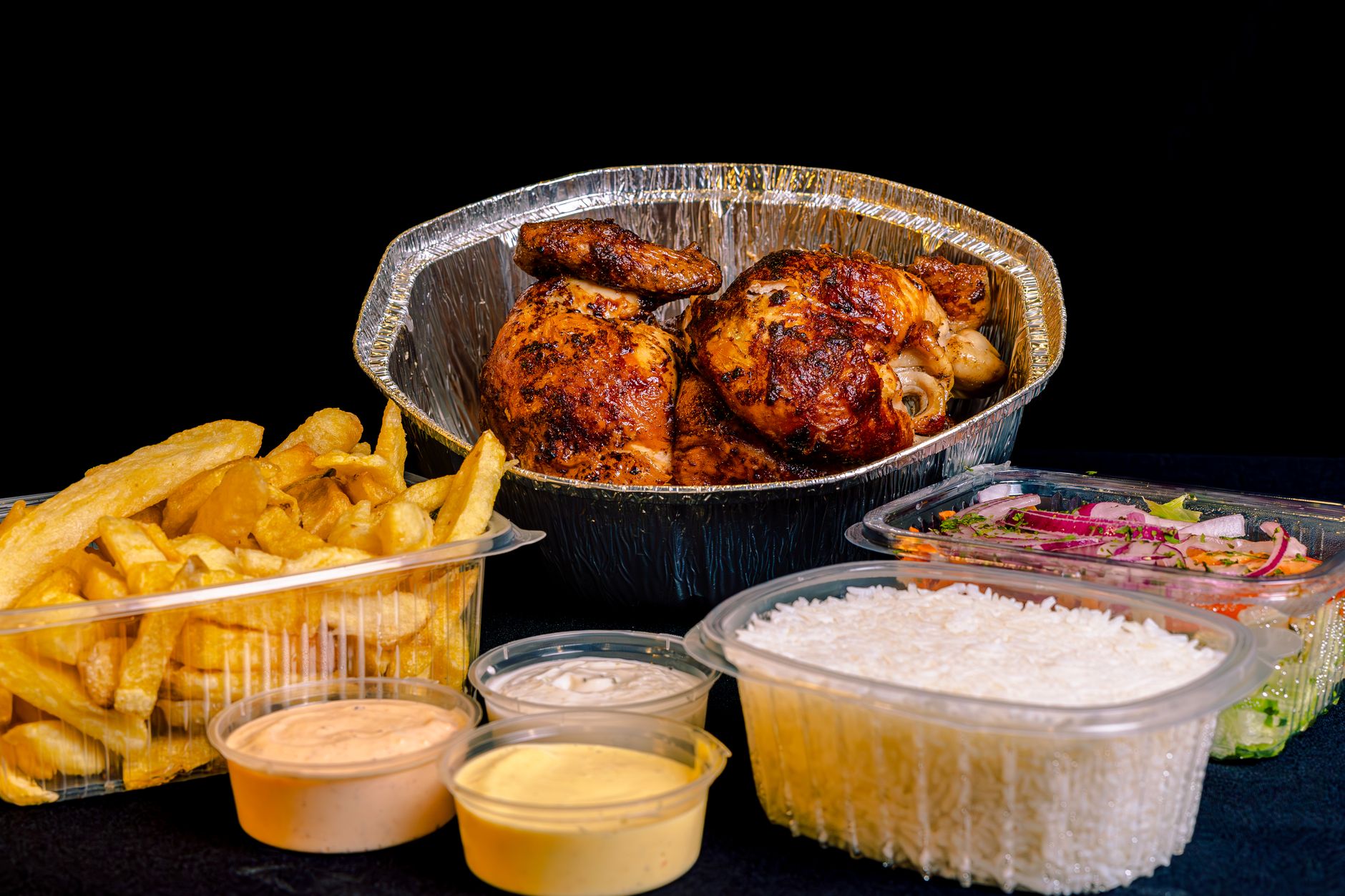
Keep one emergency dinner that needs no recipe. Rotisserie chicken, steam-in-bag broccoli, sliced cucumber, and ranch dressing can be on the table in about 10 minutes. Check the chicken seasoning and sauce labels if you are tracking carbs.
When family members arrive at different times, choose meals that reheat without drying out. Taco meat, shredded pork, meatballs, and creamy chicken work better than fried eggs or delicate fish. Store toppings separately so each person can assemble a fresh bowl.
Also decide your cutoff point. If dinner has not started by 7:00 p.m., use the emergency meal rather than ordering from hunger and frustration. A backup is part of the plan, not evidence that the plan failed.
What to serve children who are not eating keto
Children do not need a completely different main course. Keep the protein and at least one vegetable the same, then add a familiar carbohydrate when appropriate for your family.
Useful add-ons include microwave rice, small pasta shapes, tortillas, bread, potatoes, corn, beans, or fruit. These can be prepared quickly while the main dinner cooks. For creamy garlic chicken with green beans, children might also get rice. With bunless meatballs and marinara, serve pasta on the side. For taco bowls, put tortillas and corn on the table.
Serve components separately when possible. A child may reject a fully mixed cheeseburger casserole but happily eat ground beef, cheese, cucumber, and a bun as separate items. Before adding a spicy sauce to the whole pan, remove a plain portion.
Do not hide every keto substitution. Calling mashed cauliflower mashed potatoes creates an avoidable argument. Name the food accurately and include one dependable item the child usually eats. The goal is a workable shared dinner, not identical plates.
How to use net-carb counts without chasing perfection
Net carbs are commonly calculated by subtracting fiber from total carbohydrate. Use the nutrition label for packaged foods and a consistent nutrition database for basic ingredients. Recipe totals can change when brands, serving sizes, or quantities change.
Treat the count as a planning tool. If dinner contains more net carbs than expected because you used a different marinara sauce, note the brand and adjust next time. Do not turn a family meal into a laboratory exercise.
Measure ingredients that can change the total quickly, such as sauces, onions, nuts, and dairy. You do not need to weigh every lettuce leaf. Portion the finished recipe according to the stated number of servings, then use the same method each time. Consistency is more useful than chasing a perfect number that no home kitchen can guarantee.
The signs your plan is too complicated
Your plan needs simplifying if you visit multiple stores, cook separate adult and child entrees, or begin preparing dinner more than 30 minutes before you want to eat. Other warning signs include buying ingredients for only one recipe, washing several appliances every night, and depending on Sunday preparation that takes most of the afternoon.
Look at the plan before shopping. If three recipes need different specialty sweeteners, flour substitutes, or bottled sauces, replace two of them with simpler meals. Meat, vegetables, cheese, eggs, herbs, and familiar condiments can cover most weeknights.
Also count decisions. A dinner that requires you to choose a marinade, make two sides, calculate a sauce conversion, and persuade children to try an unfamiliar casserole creates too much friction for a Wednesday. Keep new recipes for calmer nights. On busy nights, repeat a meal that already works.
A four-week structure that makes the routine easier
Week one is about learning the routine. Choose familiar dinners with simple keto adjustments. Notice which nights need a slow cooker, which vegetables your children tolerate, and how much food remains after dinner.
In week two, repeat two successful cooking formats and add three new recipes. If sheet-pan sausage worked, use the same method with chicken and broccoli. Familiar technique matters more than constant variety.
Week three should improve ingredient overlap. Plan meals that share produce, cheese, sauces, or cooked protein. One batch of shredded chicken can become ranch chicken bowls one night and lettuce-wrapped chicken tacos later in the week.
In week four, build your repeat list. Save the six to eight dinners that were fast, reheated well, and caused the least table resistance. Record the child add-on beside each meal. When the month ends, you will have evidence from your own household instead of a theoretical menu.
This structure makes the next month easier. Repeat the dependable meals, rotate in a few new recipes, and keep the emergency dinner stocked.
What to do next
You can build this system yourself with the steps above. If you want the dinners, lists, and prep sequence already organized, the 4-Week Family Keto Dinner Plan gives you 20 family-friendly recipes, weekly grocery lists, Sunday prep guides, net-carb counts, and simple sides for non-keto children. Every weeknight dinner takes 30 minutes or less. Get the complete plan for $29 and make your first four weeks easier.